
AC Installation & Replacement
Right-Sized Central Air Conditioning Installation
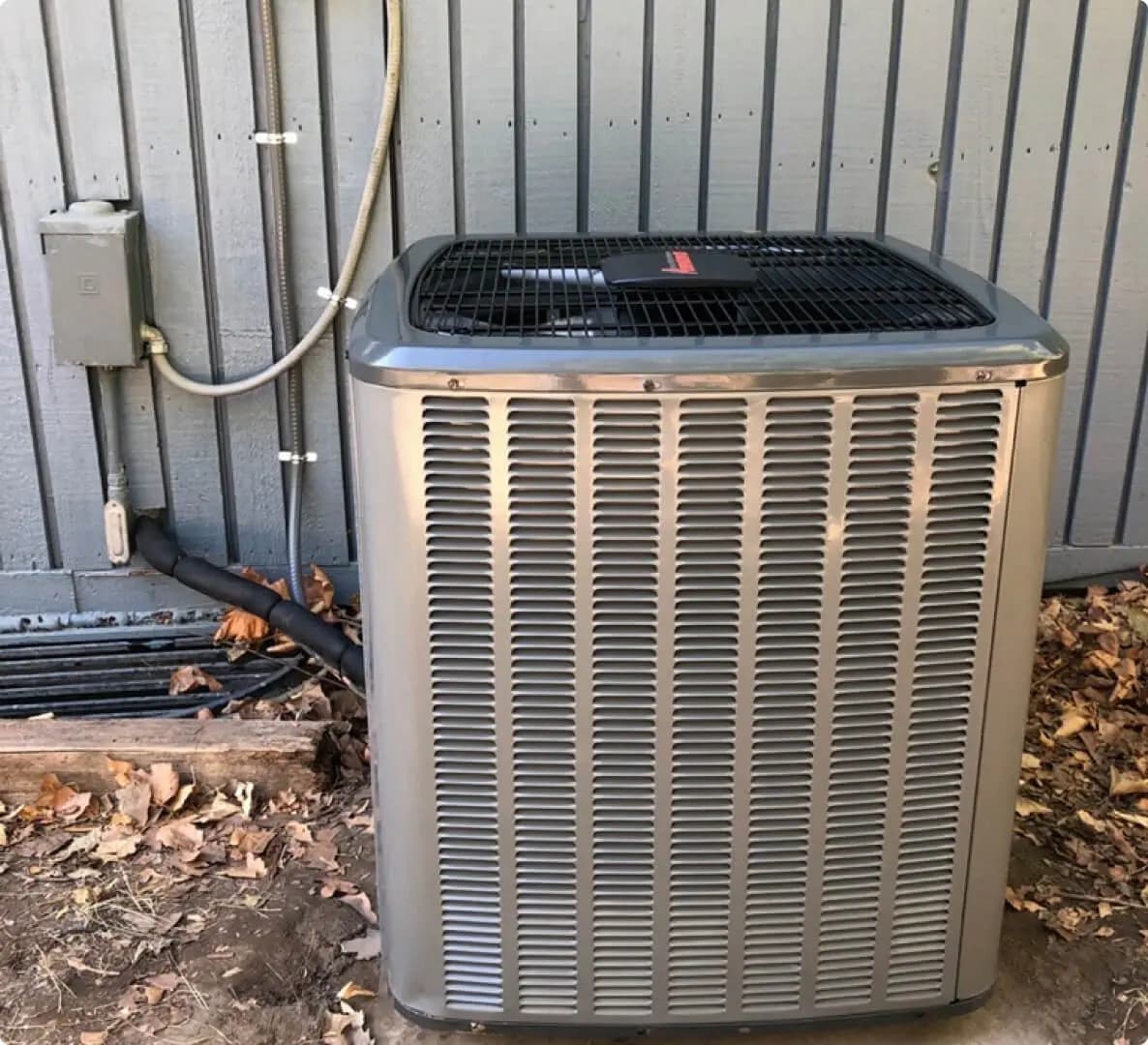
A new air conditioner should be selected for the home, the duct system, and the homeowner's comfort goals — not from square footage alone. CMB HVAC evaluates the load, equipment match, airflow, controls, and installation conditions before presenting options.
- Upfront
- Fixed Pricing
- 5.0 ★
- 370 Google Reviews
- Licensed
- UT 12883822-5501
- Free
- Service Call
Right-Sized Central Air Conditioning Installation
Replacement starts with confirming it beats repair, and sizing starts with a Manual J load calculation on your actual home — window orientation, insulation, infiltration, ducts — because an oversized air conditioner is worse than an undersized one: it cools fast, shuts off damp, and short-cycles itself into an early grave.
Then the equipment has to match: indoor coil to outdoor unit to furnace or air handler to thermostat, verified as a listed combination. You get flat-rate equipment options in writing with the trade-offs explained, permits pulled, and the commissioning numbers — charge, airflow, temperatures — documented and left with you when the truck pulls away.
The Numbers a Quality Install Leaves Behind
Ask any installer for these; we hand them over without being asked.
Load calculation first
A Manual J on your home sets the size. The number travels with the quote so you can see why we specified what we did.
AHRI-matched equipment
Indoor and outdoor units specified as a rated, listed combination — where the efficiency number on the box actually comes from.
Permits & inspection
Mechanical permit pulled, work inspected — the paper trail that protects warranty claims and future appraisals.
Commissioning sheet
Refrigerant charge, airflow, and temperature measurements recorded at startup and left with the homeowner.
When a Replacement Quote Makes Sense
None of these is an automatic verdict — each one just means the numbers are worth comparing on the same page.
Repairs are stacking up
A second significant repair inside a couple of years is the system describing its trajectory. Compare that curve against a replacement quote.
It can't hold hot afternoons
When the system runs all afternoon and never satisfies, sizing, coil condition, and charge all get measured — the fix isn't always replacement, but sometimes it is.
Phased-out refrigerant
Systems running older refrigerant types get expensive to recharge with every leak. One significant sealed-system repair usually tips the math.
The home is changing
Additions, finished basements, new windows, or insulation work change the load the original system was sized for — worth re-measuring, not assuming.
What a CMB Replacement Includes
- Manual J load calculation on your home, shared with the quote
- AHRI-matched equipment options at different tiers, flat-rate and in writing
- All mechanical permitting and inspection scheduling
- Floor and landscaping protection, old equipment removal and haul-away
- New line set where conditions call for it, brazed with nitrogen
- System evacuated to spec and charged by measured weight and pressures
- Airflow set up and verified across the new coil
- Thermostat setup and controls walkthrough
- Manufacturer warranty registration and the commissioning sheet in your hand
How We Size and Specify the System
Load calculation
A Manual J on the actual house — orientation, windows, envelope, infiltration. The size comes out of the math, not the price sheet.
Duct & airflow survey
The existing ductwork has to deliver what the new coil needs. We measure, and we'll tell you honestly if duct work belongs in the scope.
Site conditions
Electrical capacity, condensate routing, line-set path, pad condition, and clearances — the unglamorous details that decide install quality.
Matched options
Indoor and outdoor units selected as a listed combination, presented at two or three tiers with the real differences explained.
Written flat-rate quote
Every scope item and every dollar on one page. No order is placed and no deposit taken until you've had time to compare.
Single-Stage, Two-Stage, or Variable
The ratings differ, but the felt difference is in how the system runs between thermostat calls. Here's the honest translation.
Single-stage
One speed: on full or off. Dependable, straightforward to service, and the right value for many homes — it simply doesn't modulate, so temperature sits in a slightly wider band.
Best for: budgets that prioritize reliability and simplicity
Two-stage
Runs low most of the time and steps up for the brutal afternoons. Longer, quieter cycles even out hot rooms and take the edge off peak-time noise.
Best for: two-story homes and rooms that have never quite agreed
Variable capacity
Continuously matches output to the house — the quietest, steadiest option, with the highest efficiency ratings and the most sophisticated controls.
Best for: long-ownership horizons and noise-sensitive spaces
What Drives the Price of a New AC
No two homes quote the same, and a price shouted over a fence is worthless. Here's what moves the number.
Your written quote already prices all of this — the list explains why two neighbors' quotes can differ by thousands and both be right.
Capacity & tier
The load calculation sets the size; you choose the tier. Bigger is not better — oversized systems cost more and dehumidify and cycle worse.
Furnace or air handler pairing
The indoor coil lives with the furnace or air handler. Mismatched pairing forfeits rated efficiency, so sometimes the right scope includes both.
Installation conditions
Line-set length and routing, electrical service, condensate path, pad and clearance work — accessibility is a real cost driver on older homes.
Duct readiness
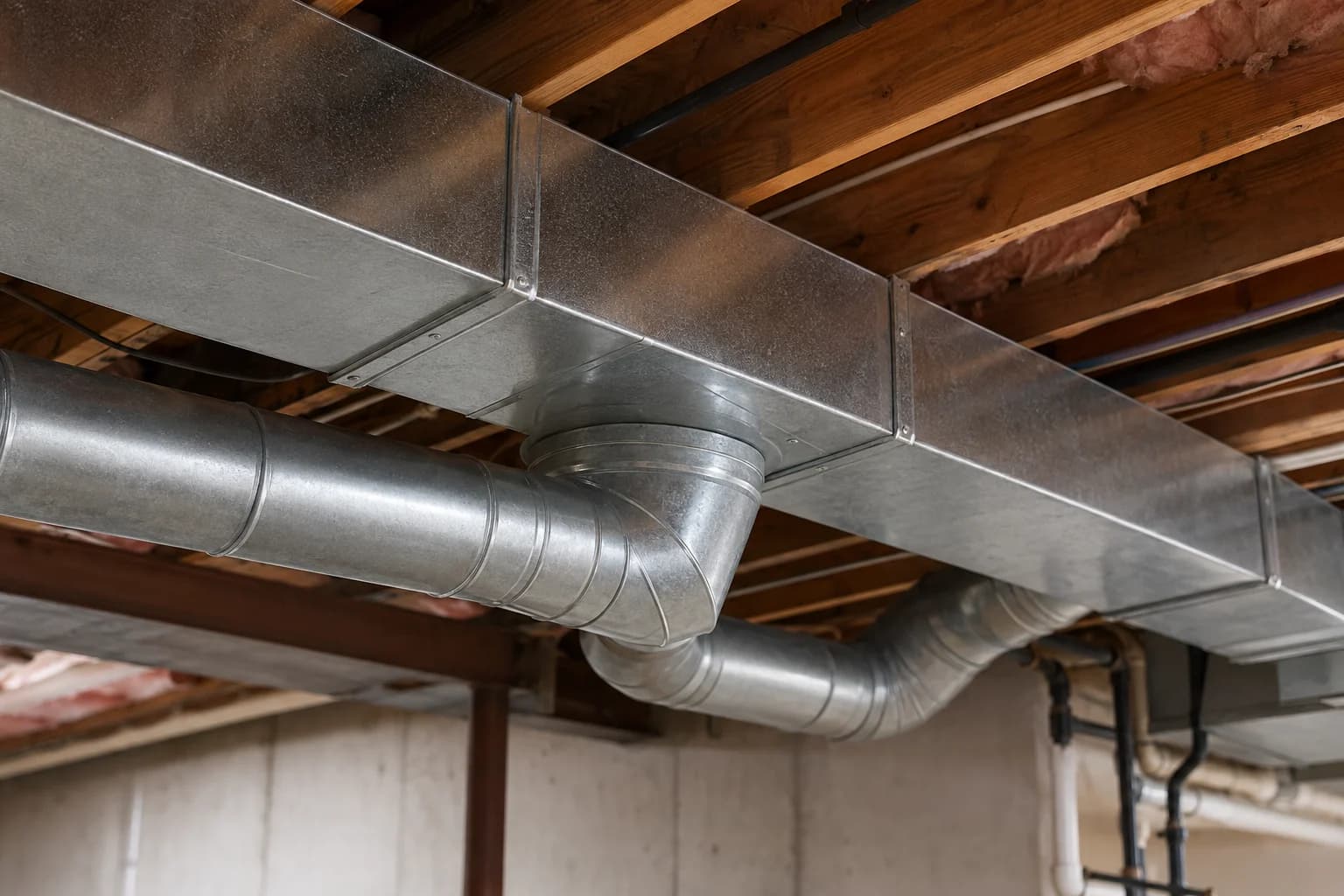
If the ducts can't feed the new coil, duct corrections join the scope. We measure first and quote it plainly rather than discovering it mid-install.
We don't publish price ranges because the honest range is enormous — a like-for-like swap and a system-plus-ducts project are different jobs. Utility rebates and manufacturer incentives change by season and program; when one applies to your project it's itemized on the quote, not folded into a vague 'discount.'
How a CMB Installation Runs
Quote visit
Load calc, duct survey, site conditions, options in writing. The quote is flat-rate and stays flat — the number we write is the number you pay.
Install day
Protection down, old system out and hauled away, new equipment set, line sets brazed under nitrogen, permit-planned work to spec.
Commissioning
Evacuation to spec, charge by weight and verified pressures, airflow set up, temperatures and amp draws measured and recorded.
Walkthrough & paperwork
Thermostat taught, filter sizes confirmed, warranty registered, commissioning sheet and permit records handed over. Then the cleanup check.
What Utah Homes Need From a New AC
Along the Wasatch Front, the sizing conversation matters more than the brochure. Big daytime-to-nighttime swings mean a system spends its afternoons at full load and its evenings recovering; a right-sized unit rides those swings comfortably, while an oversized one slams on and off all afternoon and never dries the air properly. The altitude and dry air are easy on equipment — the dust and cottonwood are not, so pad placement and coil access get real attention in our quotes.
- Manual J isn't optional here: 1970s ramblers and new builds ten streets apart can differ by tons of load
- South- and west-facing glass drives afternoon load more than floor area does
- Condenser placement that avoids cottonwood drop and landscape rock saves coils for years
Related Services & Pages
- Furnace Installation & ReplacementWhen the indoor section should be replaced too
- Heat Pump ServicesOne system for cooling and heating
- Ductless Mini-SplitsFor spaces the ductwork never reached
- Ductwork ServicesWhen the survey finds the ducts are the story
- Maintenance MembershipProtect the investment from season one
The Questions Every Homeowner Asks
How is a new AC sized?
Should I replace the furnace and AC together?
What does SEER2 mean?
How long does installation take?
Will my ductwork work with the new system?
What warranties apply?
Connect With Us For Your Free In-home Consultation!
Get a Replacement Quote Worth Comparing
A load calculation, matched options at two or three tiers, and every scope item priced on one page. Free to quote, no obligation to order.