
Skip to content

Davis & Salt Lake County

CMB HVAC — Utah's Local HVAC

IAQ & CO Testing

Targeted Indoor Air and Carbon Monoxide Evaluation

"Indoor air quality testing" can mean many different things. CMB HVAC states exactly what it measures, how the measurement is done, what the instruments can and cannot determine, and when a specialist or laboratory is the right next step.

cmb hvac ac free safety check
5.0 ★
369 Google Reviews
Licensed
UT 12883822-5501
Free
Service Call
Upfront
Fixed Pricing

Targeted Indoor Air and Carbon Monoxide Evaluation

Anyone can wave a gadget and say your air has issues. A useful assessment is defined by its specifics: which measurements are taken, with what method, what the readings can and cannot tell you, and what happens next. Ours covers temperature and humidity, carbon-monoxide readings around fuel-burning equipment, combustion-related checks on the appliances we service, airflow and ventilation observations, and particulate screening where the concern calls for it — with findings in writing, limits included.

Equally defined is what we don't do: mold sampling, radon measurement, asbestos surveying, lead testing, and any medical interpretation. Those are licensed-specialist disciplines with their own protocols and labs. If our findings point that direction, we document what we saw and connect you with the right professional — that referral is the test working, not the test failing.

What a CMB Assessment Gives You

  • The measurement menu, stated

    Exactly what we check and how — before you book, not after the invoice.

  • HVAC inspection included

    Filter, airflow, humidity, ventilation, visible moisture, and combustion appliances examined with the testing.

  • Written findings

    Readings, method, and limits in a report you can act on — or hand to a specialist.

  • Referral boundaries named

    Radon, mold, asbestos, lead, and medical questions get honest hand-offs, not pretend answers.

When to Schedule Testing

Some concerns need measurements; some need the fire department. Both are covered here.

  • A CO alarm sounded — or might

    If an alarm is sounding now or anyone feels symptoms, leave the building and call 911 or the gas utility first. Testing follows safety, never replaces it.

  • Rooms that feel wrong

    Unexplained stuffiness, lingering odors, or humidity that won't hold — measured rather than guessed at.

  • Fuel-burning appliances aging

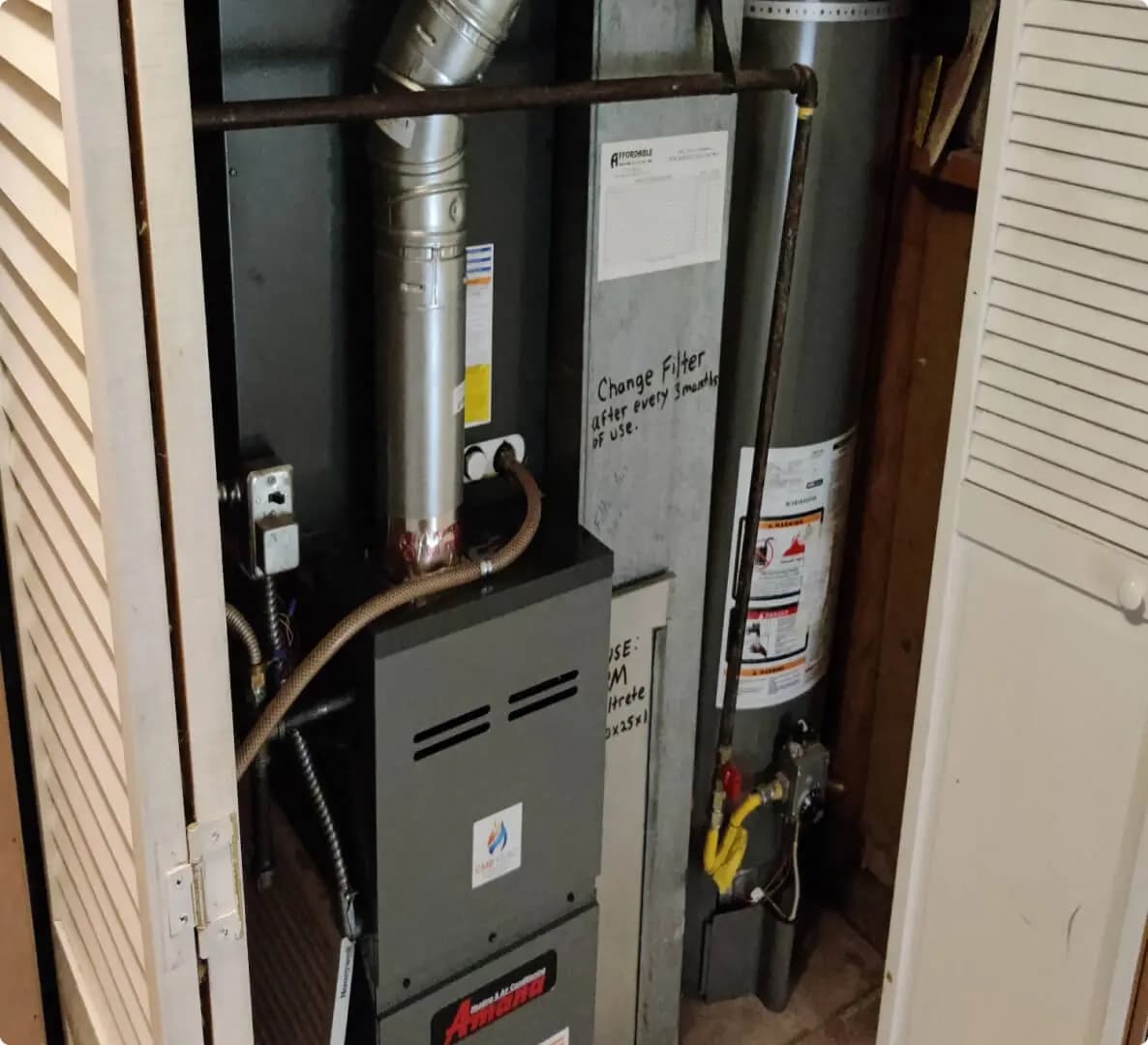
    An older furnace, water heater, or range deserves periodic combustion-side attention — the checks we do on every relevant visit.

  • A specialist told you to check HVAC first

    Mold, radon, or asbestos assessments often start with the ventilation and moisture story — the part that is our lane.

What a Testing Visit Includes

  • Temperature and relative humidity measured where the concerns are
  • Carbon-monoxide readings around fuel-burning appliances and living areas
  • Combustion appliance checks: venting, draft, and condition where accessible
  • Airflow, filter, and ventilation observations across the system
  • Visible moisture and condensation evidence noted
  • Written report: measurements, method, and what each can and cannot determine
  • Referrals named where a specialist — not an HVAC tech — owns the next step

How an Assessment Runs

  1. Define the question

    What you're noticing, where, and when — the concern shapes which measurements matter.

  2. Screen the safety items

    CO readings and combustion-appliance checks first — anything safety-relevant is handled before comfort questions.

  3. Measure the environment

    Temperature, humidity, particulate screening, and ventilation observations in the spaces involved.

  4. Inspect the system

    Filter, airflow, duct condition, and visible moisture — the HVAC behaviors that create air-quality symptoms.

  5. Report honestly

    Findings in writing with method and limits; the next step named, even when it belongs to a specialist.

Screening Assessment or HVAC Inspection

Different questions need different depth — here's how the two visits differ.

  • Targeted screening assessment

    Measurements aimed at a stated concern — humidity, CO around appliances, particulate screening — with a written findings report.

    Best for: specific worries that need numbers

  • HVAC-focused inspection

    The system-side story: filter, airflow, ventilation, visible moisture, and combustion appliance condition — the causes behind air symptoms.

    Best for: unexplained symptoms with an HVAC suspicion

  • Specialist referral

    Mold sampling, radon measurement, asbestos, lead, and anything medical belong to licensed specialists — we document what we saw and hand off cleanly.

    Best for: concerns outside every HVAC lane, honestly named

Technician checking a furnace flue pipe in a utility room
Combustion safety is the heart of the visit: venting, draft, and CO readings around the appliances we service.

What Shapes a Testing Visit

Testing is scoped to the question. A wider concern means more measurements, not a bigger invoice for its own sake.

  • Scope of the concern

    One room's humidity question is a shorter visit than a whole-house air complaint with aging gas appliances.

  • Number of appliances

    CO and combustion checks scale with the fuel-burning equipment on site — furnace, water heater, range, fireplace.

  • Access

    Crawlspaces, attics, and locked mechanical rooms each add time to the inspection half of the visit.

  • Follow-on work

    When testing finds a fixable HVAC cause, the repair is quoted separately, flat-rate — the test never becomes the bill.

Testing visits are quoted before work starts, and the report is included — findings, method, and limits in writing. We don't market 'contaminant testing' we can't define: the measurement menu on this page is the actual menu, and anything outside it gets a specialist's name attached.

How Testing Runs

  1. Book with the concern stated

    Tell us what you're noticing when you schedule — the visit is built around the actual question.

  2. Safety first

    CO and combustion checks lead the visit. Anything urgent is treated as urgent, on the spot.

  3. Measure & inspect

    Environment measured, HVAC inspected, observations documented — with method noted as we go.

  4. Report & next step

    Written findings with limits stated; repairs quoted separately if wanted; specialists named where they belong.

Combustion Season and Inversion Air

Two local realities shape testing here. First, Wasatch Front homes run fuel-burning equipment hard for half the year, which makes the combustion-side checks — venting, draft, CO readings near appliances — the most valuable routine measurement most homeowners never schedule. Second, winter inversion days concentrate whatever's in the outside air, and tight homes trap whatever's in the inside air; the ventilation observations in our report matter more here than in a climate that keeps windows open year-round.

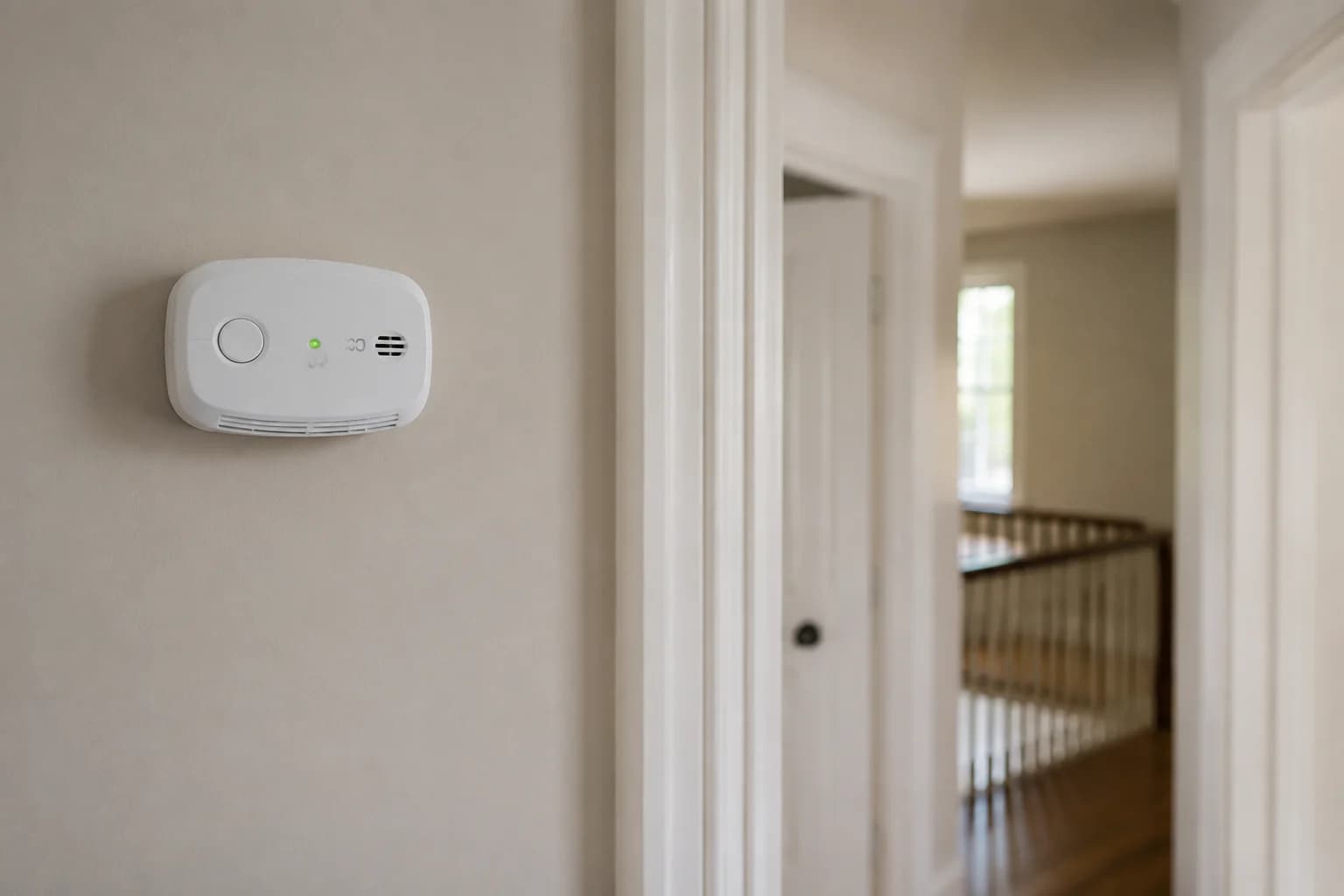
  • CO alarms belong on every level with sleeping areas — and they expire; check the date on the back
  • Inversion season is the right time to notice how your home actually ventilates
  • Aging gas appliances deserve a combustion-side look before the heating season, not after a scare

Testing Terms & the CO Protocol

The terms from your report, explained — and the anchor for the emergency above.

Carbon Monoxide & the Alarm Protocol

If a CO alarm sounds, or anyone has flu-like symptoms that improve outside the house: leave the building with everyone in it and call 911 or your gas utility from outside. That step comes before any HVAC call — we test after the scene is safe, never instead of emergency response. In normal conditions, our CO work is preventive: ambient readings around fuel-burning appliances, venting and draft checks, and combustion-side observation on the equipment we service. CO alarms are the backup layer, not a substitute for correctly installed and maintained appliances.

Screening vs. Laboratory Testing

Our assessment is a screening: real measurements (temperature, humidity, CO, particulate screening, ventilation observations) taken in real conditions, in writing with their limits. What it is not: laboratory analysis, regulated testing, or any licensed-specialist discipline. Radon, mold sampling, asbestos, and lead each have their own professionals, protocols, and labs. When our findings point that direction, the report says so plainly with what we observed — evidence a specialist can use, and an honest boundary we don't paper over.

The Written Report

Every testing visit ends with the same deliverable: measurements recorded, method noted, limits stated, and the next step named. That document has three uses — it tells you what's actually going on, it gives any repair conversation a factual foundation, and it travels to a specialist with the raw observations intact if the concern outruns our scope. A test you can't read later is a performance; this one is a record.

Straight Answers About Testing

What does CMB's IAQ test measure?
The defined menu: temperature and relative humidity, carbon-monoxide readings around fuel-burning appliances and living areas, combustion-side checks (venting, draft, condition) on equipment we service, airflow and filter condition, ventilation observations, visible-moisture evidence, and particulate screening where the concern calls for it. What we deliberately don't claim: laboratory analysis or licensed-specialist testing. The report states each measurement, how it was taken, and what it can and cannot tell you — because a reading without its limits is a guess wearing a lab coat.
Can you test for mold, radon, or asbestos?
No, and we won't pretend to. Those are licensed-specialist disciplines — mold assessors, radon measurement professionals, asbestos inspectors — with protocols and labs built for the job and liability to match. What we do honestly: document the HVAC-side evidence that points at them (visible moisture, humidity behavior, ventilation failures, material conditions we can see) and hand that written record to the specialist you engage. A referral from a measurement we actually took is worth more than a screening we'd be improvising.
What should I do if a CO alarm sounds?
Leave. Everyone out of the building, then call 911 or your gas utility's emergency line from outside — before any HVAC call, including ours. Don't open windows and wait, don't silence the alarm and go back to sleep, don't assume the detector is old and wrong. Detectors do expire (check the date on the back), but that's a daylight-hours errand, not a reason to ride out an alarm. Once the scene is cleared safe, we're the right call: we find the appliance-side cause, fix it, and verify the repair with combustion readings.
Does an HVAC inspection replace CO alarms?
Never — the relationship runs the other way. Alarms are the constant, always-on last line; our combustion checks are periodic professional eyes on the equipment that could produce CO in the first place. Both layers matter: alarms catch what develops between visits, maintenance and testing catch what's developing at all. A home with fuel-burning appliances wants working, in-date alarms on every level with sleeping areas, plus a combustion-side check on a service schedule — one without the other is a gap with a name.
How long does testing take?
Most targeted assessments run an hour or so — the scope is set by the stated concern, the number of fuel-burning appliances on site, and how much of the home the question touches. Whole-house air complaints with aging gas equipment run longer; a single-room humidity question shorter. We scope it honestly when you book, and the report — measurements, method, limits, next step — is included in the visit rather than sold back to you afterward.

Get the Measurement, Not the Guess

Book online or call with the concern stated. Measured, inspected, reported in writing — with the limits named.