
Heat Pumps
Heat Pump Repair, Maintenance and Installation
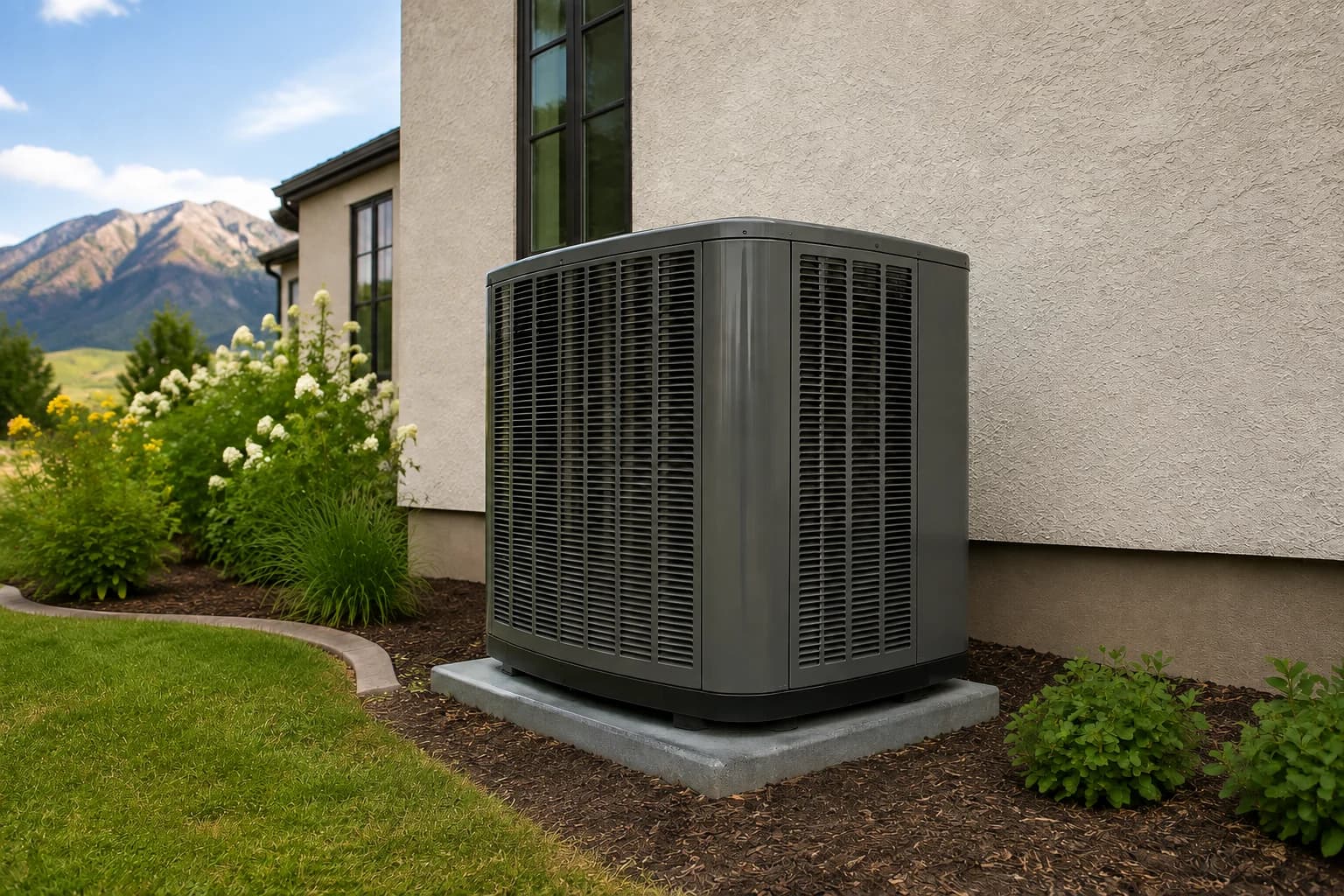
A heat pump moves heat to provide both cooling and heating. CMB HVAC evaluates the equipment, controls, backup heat, airflow, and home load before recommending repair, replacement, or a new heat-pump configuration.
- 5.0 ★
- 370 Google Reviews
- Licensed
- UT 12883822-5501
- Free
- Service Call
- Upfront
- Fixed Pricing
Heat Pump Repair, Maintenance and Installation
One outdoor unit, two jobs: in summer a heat pump works exactly like an air conditioner, and in winter it reverses to pull outdoor heat inside. Along the Wasatch Front that makes it a serious option for whole-home comfort — especially paired with a furnace in a dual-fuel setup that lets each heat source run when it's the cheaper one.
Not all heat pumps are equal, and the label efficiency number is not the whole story: what matters in Utah is delivered capacity at low outdoor temperatures, defrost behavior, and how backup heat is controlled. We size and quote with those numbers, not the brochure peak.
Two Seasons, One Accountable Crew
Sized for the cold, not the brochure
We check model capacity at Utah's actual design temperatures — the number that decides whether the system carries a cold snap.
Dual-fuel done properly
Furnace pairing, changeover settings, and balance point configured on site — so each heat source runs when it makes sense.
Licensed & insured
Utah HVAC license 12883822-5501, with EPA 608 certification for all refrigerant work.
Flat-rate everything
Repairs, maintenance, and installs quoted in writing before work starts — the number doesn't move.
Heat Pump Services — What We Do
Heat Pump Repair & Maintenance
Cooling that faded, heating that feels cool, ice that isn't defrosting — diagnosed in the mode it's failing, both seasons covered.
Learn moreHeat Pump Installation & Replacement
All-electric or dual-fuel, sized by load calculation and verified low-temperature capacity — commissioned and documented.
Learn more
The Questions That Decide It
Straight answers about cold-climate performance, backup heat, and what a heat pump would mean for your specific house.
Can a heat pump heat my home in winter?
What is auxiliary heat?
What is a dual-fuel system?
Can a heat pump replace both my furnace and AC?
How is the right heat pump selected?
Connect With Us For Your Free In-home Consultation!
Find Out What a Heat Pump Would Do for Your House
Load calculation, low-temperature capacity check, and options in writing — all-electric and dual-fuel side by side.